Eloping in Jackson Hole & Grand Teton: A Guide to Alpine I‑dos
Eloping in Jackson Hole & Grand Teton
A Destination Guide
Let's Talk Tetons
(An adventure playground with a wedding permit)
Jackson Hole isn't just a backdrop — it's a whole mood. Towering peaks, elk in the meadows, golden aspens in fall, and snow-dusted silence in winter.
Imagine saying "I do" with the Tetons soaring behind you and elk grazing in the distance. If you're dreaming of a wedding day that feels more like an adventure than a production, Grand Teton National Park might be your place.
This guide covers all of it: how to get here, when to come, where to stay, the dreamiest ceremony spots, and every piece of permit paperwork — so you can spend less time stressing and more time planning something unforgettable.
Grab a coffee. Let's dig in.
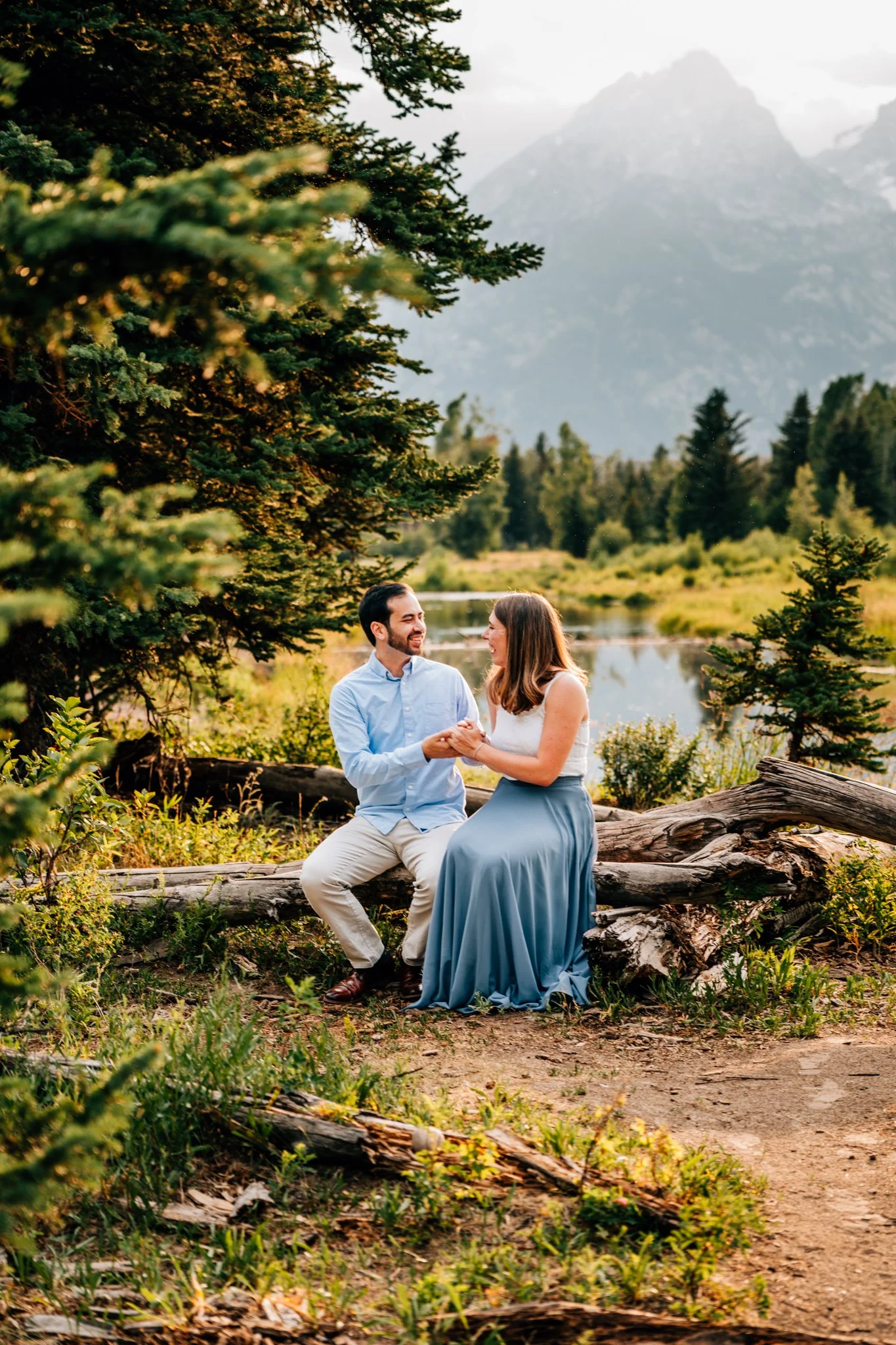
Schwabacher, before the crowds.
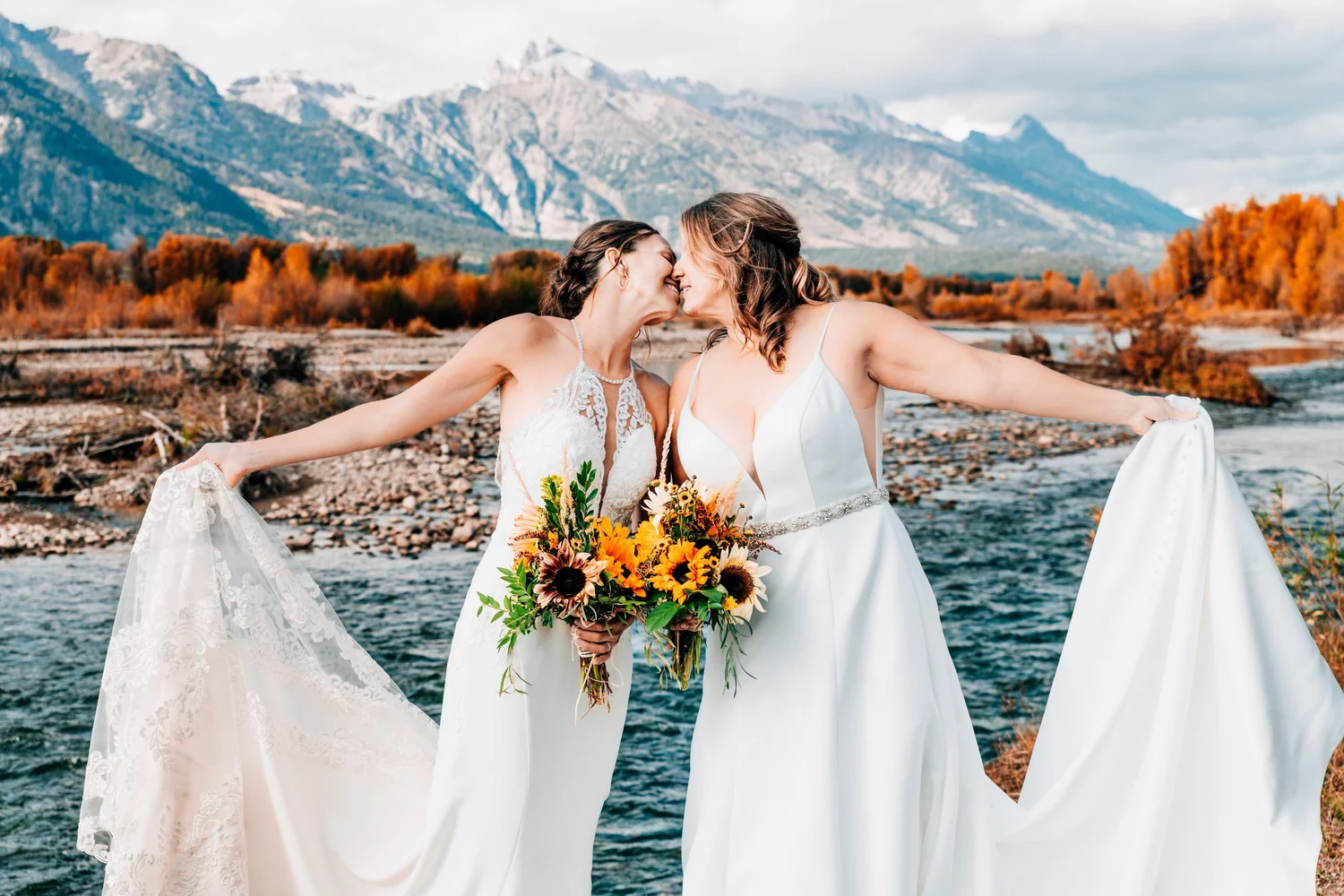
Sunflowers and a whole mountain range.
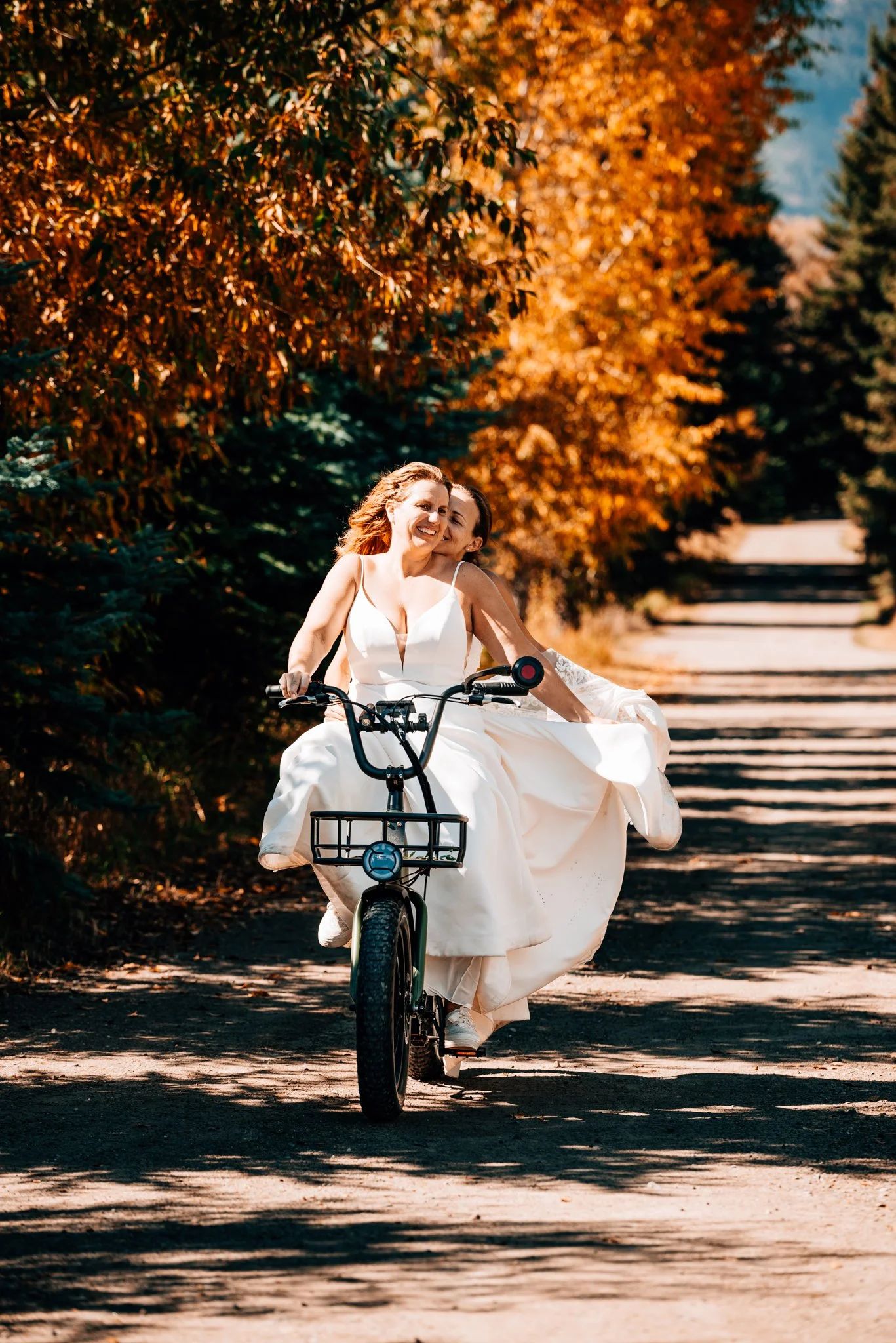
Fall here is a little ridiculous.
Jackson Hole is a valley, not a single town. The town of Jackson sits at the southern end, and you'll fly into Jackson Hole Airport — the only commercial airport inside a national park. If you're road-tripping, highways 26, 89, and 191 bring you in from Utah to the south or Montana to the north.
In summer it's an easy drive on clear roads. In winter, expect snow-packed conditions and occasional closures. A rental car gives you the most freedom, but there's also a free shuttle running between the major park lodges and town if you'd rather not drive.
Pick Your Season
The Tetons wear a different outfit every month
Season shapes everything here — what's open, what's crowded, what you'll wear, and how you'll get to your spot. Here's the honest rundown.
December – April
Winter
Snow blankets everything. Serene and genuinely magical, but you'll need snowshoes, warm layers, and a thirst for adventure. Most park roads close to cars, so ceremonies happen near the main highway or on skis. The bonus is real: you'll have the place almost to yourselves.
May – June
Spring
Waterfalls roar, baby animals appear, and wildflowers start pushing through. Some trails are still muddy or snowed in, but the crowds are light and lodging options begin to open back up.
July – August
Summer
Warm days, cool nights, lush green meadows, and alpine wildflowers at full tilt. This is peak season in every sense, so plan a sunrise or a weekday ceremony if you want the spot to yourselves.
September – October
Fall
The leaves light up gold and orange, wildlife is on the move, and the air turns crisp. Fewer visitors, sunny days, and the chance of an early snow on the peaks. This is the one I'd book.
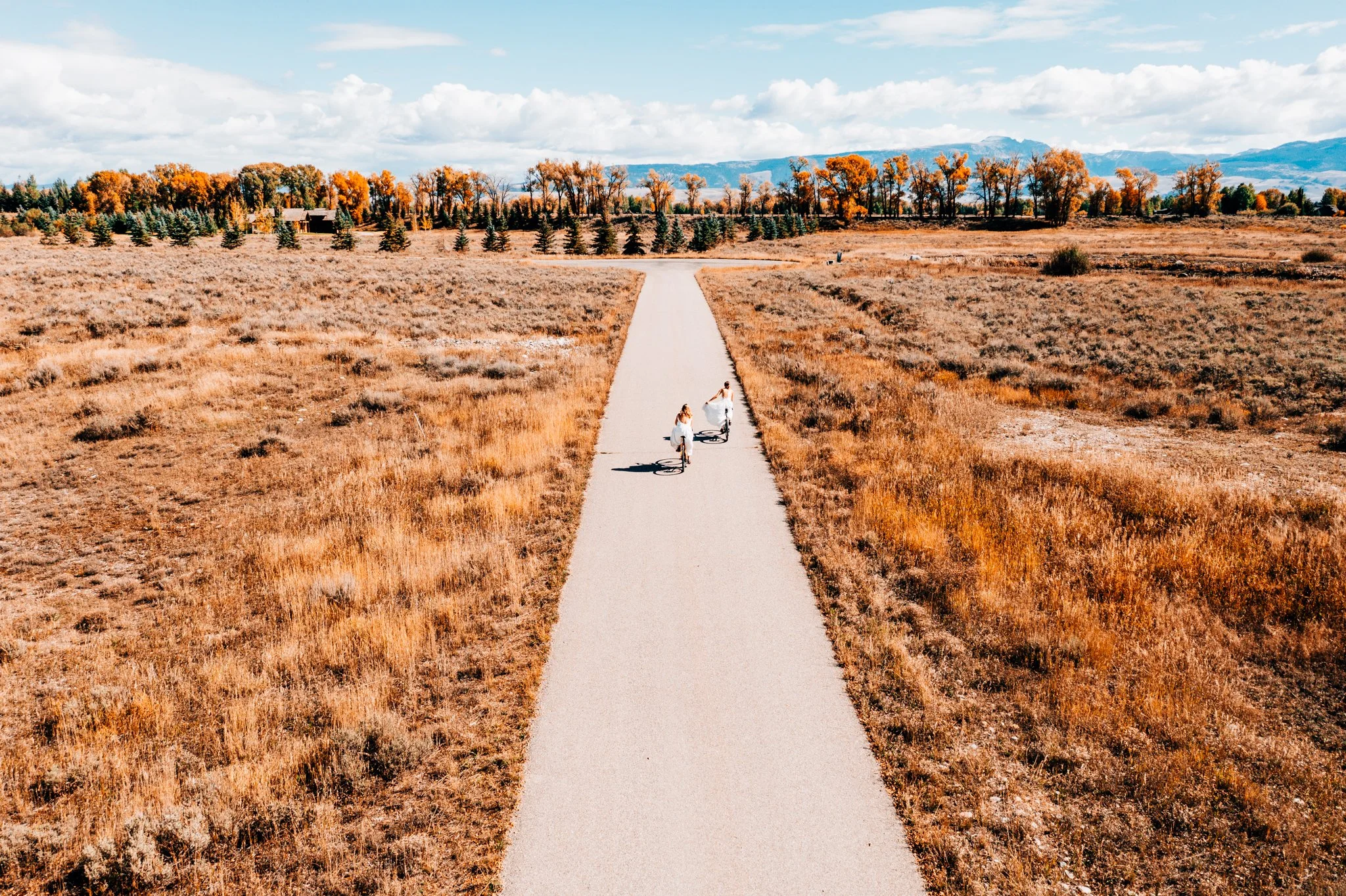
Where to Stay
Worth splurging on
Jackson Hole punches well above its weight on lodging. These are the properties that are an experience in themselves, not just a place to sleep.
The gold standard in the valley. A cliff-top resort of sandstone and redwood built into the butte, with long Snake River Range views, platform beds, giant soaking tubs, a world-class spa, and heated outdoor pools. Western warmth with Zen simplicity.
Museum-quality art, a celebrity-chef restaurant, complimentary s'mores at the fire pits, and a resident naturalist. Ski-in ski-out in winter, hiking concierge in summer, and bathrooms with jetted tubs that seal the deal.
LEED-certified and built of iron and reclaimed barn wood, right off Town Square. Gas fireplaces, plush linens, a rooftop hot tub, and the excellent Figs downstairs. Cosmopolitan rooms that still feel grounded in the West.
Eco-luxury done right: a rooftop infinity saltwater pool, a full organic spa, and Il Villaggio Osteria for dinner. Studios come with fireplaces, kitchens, and full seating areas. Hip, urban, and surprisingly serene.
A 1941 Tudor landmark a block from Town Square, full of Western paintings and artifacts. Have a drink at the Silver Dollar Bar, which has 2,032 actual silver dollars set into the bar top, then sleep in warmly appointed rooms with local woodsy furnishings.
Six rooms on three private acres of aspen and pine, with moose and deer wandering through most mornings. Gourmet breakfasts, private decks with mountain views, and a sun-filled solarium. Intimate, gorgeous, and beloved — book far in advance.
Four levels of spa, antler chandeliers, Native American art, glass-wall showers, and an indoor-outdoor pool that feels straight out of Iceland. The outdoor ice bar in winter is a genuine après-ski highlight.
Five rooms on five acres, halfway between Teton Village and downtown Jackson, and every room has its own fireplace. The great room gathers around a three-story river rock fireplace for happy hour, and a chef cooks your breakfast each morning.
Two things decide where you can actually stand. Permit is which agency you apply to and roughly what it costs. Guests is the cap that permit carries. Park site-specific permits go up to 40 and fill fast; small dispersed permits cover up to 12 and let you pick your own spot within the guidelines.
Schwabacher Landing
Grand Teton National Park
Beavers, ponds, and mirror-like reflections of the range. Perfect at sunrise, and one of the most photographed spots in the park for good reason.
The reflection only works when the water is still, which in practice means being set up before the wind picks up.
Colter Bay Swim Beach
Grand Teton National Park
Wide-open views across Jackson Lake with the mountains towering above the far shore. One of the easier spots for a larger guest list, since there's room to spread out.
Snake River Overlook
Grand Teton National Park
Ansel Adams made this view famous, and it still holds up. Best kept to a small group — the overlook itself isn't large, and it's a popular stop.
Mountain View Turnout
Grand Teton National Park
Understated and quietly epic. A roadside pullout with the full range in front of you and noticeably fewer people than the marquee overlooks.
The Wedding Tree
Bridger-Teton National Forest
Two limber pines frame the mountains, and the name is not marketing — this is what the spot is known for. The permit goes through Friends of the Bridger-Teton rather than the park.
No arches and no sound systems here. Bring your voices and let the wind do the rest.
Curtis Canyon Overlook
Bridger-Teton National Forest
A hidden gem on forest land. You'll need high-clearance vehicles and a small group to make it work, but the valley views from up there are genuinely unreal.
Before You Book Anything
Permits & the Practical Stuff
Paperwork
Your Wyoming marriage license
Get it from the Teton County Clerk's office in Jackson. It runs $30 with no waiting period, so you can pick it up and use it the same trip.
Inside the Park
Grand Teton special use permits
- Site-specific permits (13–40 guests) fill quickly for the named spots above, especially in summer and fall. Apply early.
- Small dispersed permits (up to 12 guests) have far more availability and let you choose your own location within the guidelines.
- Apply at least 30 days ahead with your preferred date, a GPS location, and your group size. A $200 non-refundable fee applies.
- Keep it simple. No arches, no chairs unless someone needs one for mobility, no drones, no confetti, no thrown petals.
National Forest
Bridger-Teton is a separate process
- The Wedding Tree carries a $300 fee and a 75-guest cap.
- Other forest sites like Curtis Canyon only need a conversation with the ranger district if you're bringing 75 or more. If it's just a few of you, you likely won't need a permit at all — just be respectful and pack out everything.
- Professional photographers may need a separate film permit, which is on me to sort out, not you.
On the Land
Wildlife and leaving no trace
- Stay on trails and pack out all trash. Never feed wildlife, ever.
- Carry bear spray and know how to use it. Keep 100 yards from bears and 25 yards from elk and moose.
- Build in a weather buffer. Afternoon storms roll through fast in summer, and an early snow in fall is a feature, not a failure.
Every plan I build comes with a second location, because the Tetons will make you use it eventually.